Starting January 1, 2026, Florida families who use SNAP (EBT) will see changes in what they can buy at the grocery store. For many, SNAP is not just assistance, it is a lifeline that helps keep nutritious food on the table while juggling work, caregiving, and tight budgets. The new rules will ban certain items often labeled as “junk food,” a move that some believe will improve health. Others worry it will make food shopping even more stressful for parents already working hard to stretch every dollar. I wanted to help explain what is changing, why it matters, and how programs like Fresh Access Bucks Florida can offer more supportive solutions.
Struggling to Stretch an EBT Budget and Why Restricting Choices Is Not the Answer
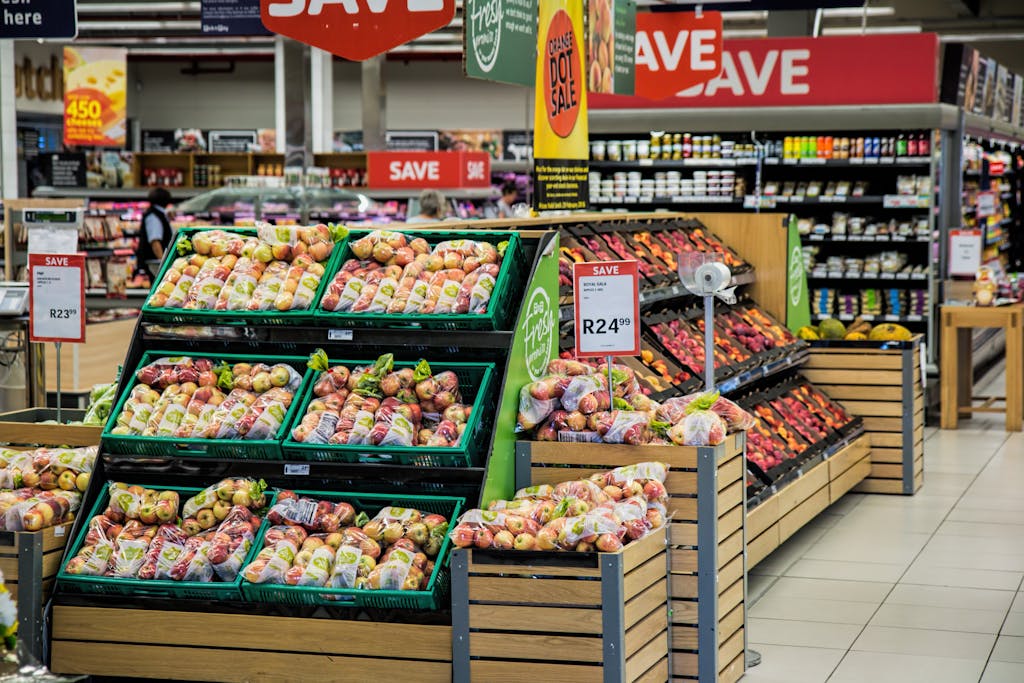
When the cost of living rises and daily pressures strain already tight budgets, many hardworking parents who rely on SNAP in Florida must make difficult choices between affordability, nutrition, and convenience. While banning items like soda, candy, and desserts may seem like a quick fix, real progress comes from providing compassionate nutrition education, offering flexible supports, and ensuring access to a variety of wholesome, culturally appropriate foods rather than adding restrictive rules that can unintentionally make life more difficult.
Who Uses SNAP in Florida?
- Many Florida SNAP households include working adults: In Fiscal Year 2023, 55 percent of SNAP households with children reported earned income, showing that SNAP supports families who are both working and raising children (USDA ERS).
- Barriers to steady work: Many Floridians face unstable jobs, unpredictable hours, and challenges such as childcare and transportation.
- More than just calories: SNAP helps families purchase nutritious, health-supportive foods they might otherwise struggle to afford.
What Is Changing in Florida on January 1, 2026—and Who Is Behind It
Florida will begin enforcing new EBT restrictions that ban certain foods labeled as “junk food,” including soda, energy drinks, candy, and prepared desserts. This policy stems from a request by the Florida Department of Children and Families in May 2025. The waiver was approved by the U.S. Department of Agriculture (USDA) with the support of Agriculture Secretary Brooke Rollins and Health and Human Services Secretary Robert F. Kennedy Jr..
The measure is part of the federal Make America Healthy Again initiative, which aims to improve nutrition and reduce chronic disease risk among low-income Americans. Governor Ron DeSantis has endorsed the policy, saying, “In Florida, we are ensuring SNAP supports nutritious options that help families thrive, not unhealthy products that lead to long-term health problems.”
Under the approved USDA waiver, the definition of “food” under SNAP has been amended for a two-year demonstration project. As a result, soda, energy drinks, candy, and prepared desserts will no longer qualify as SNAP-eligible items in Florida. The USDA will monitor the program’s impact through quarterly reports and evaluations.
Prohibited items include:
- Sodas and sweetened beverages, including diet versions (Florida SNAP soda ban)
- Candy and confections
- Energy drinks
- Prepared desserts
- Fruit drinks with less than 50 percent juice
Supporters say these changes align SNAP with nutritional goals. Critics argue they create stigma, add complexity at checkout, and may not lead to meaningful health improvements.
Foods in Florida That Could Be Unfairly Impacted
Broad definitions of “junk food” could unintentionally limit access to foods that can be part of a healthy diet:
- Dark chocolate: Classified as candy, yet provides antioxidants and can be healthy in moderation
- Flavored yogurt: May be banned for sugar content, despite offering protein, probiotics, and calcium
- Granola bars: Some are nutrient-dense but may be excluded due to added sugars
- 100 percent juice blends: Could be banned if labeling or juice percentage is questioned
- Whole grain baked goods: May be restricted if sweetened, even when high in fiber and micronutrients
Fresh Access Bucks: Florida’s Better Alternative
Rather than removing items from grocery carts, Florida’s Fresh Access Bucks program shows that incentives can encourage healthier eating in a way that feels empowering instead of limiting. The program matches SNAP/EBT dollars spent on fresh fruits and vegetables, up to a set limit, effectively doubling the value of benefits for produce.
Fresh Access Bucks has:
- Helped SNAP participants in Florida increase their fruit and vegetable consumption
- Provided a financial boost to local farmers and markets
- Encouraged healthier eating habits in a way that is flexible and respectful of personal choice
By focusing on what can be added to a family’s plate instead of what must be taken away, programs like Fresh Access Bucks address nutritional needs while preserving dignity and autonomy.
Support Florida Families Instead of Restricting Them
SNAP already plays a critical role in keeping food on the table for working families, seniors, and individuals with disabilities in Florida. The most effective way to improve nutrition is not to take away choices but to give people the tools, resources, and opportunities they need to make healthier decisions.
Practical ways to strengthen SNAP in Florida without adding more restrictions:
- Invest in nutrition education: Offer free, culturally relevant classes and materials on meal planning, label reading, and cooking affordable, healthy meals using SNAP-eligible foods.
- Expand incentive programs like Fresh Access Bucks: Increasing the match amount or widening the range of participating markets and stores would make fresh produce more accessible to all SNAP users.
- Improve access in food deserts: Partner with mobile markets, community-supported agriculture programs, and local farmers to bring affordable, healthy foods into areas with limited grocery options.
- Support culturally diverse foods: Recognize that Florida’s population is diverse and ensure SNAP guidelines respect and allow access to traditional foods from different cultures.
- Encourage retailer participation: Work with local grocers to stock affordable, nutritious options and to highlight healthy choices in-store through signage and promotions.
By focusing on education, incentives, and accessibility, Florida can help families build sustainable healthy eating habits while respecting their autonomy and dignity. This approach strengthens communities, supports local farmers and businesses, and creates long-term public health benefits without adding more barriers at the checkout line.
Final Takeaway
When Florida’s SNAP changes take effect on January 1, 2026, many families will have to adapt to new rules about what they can purchase with EBT benefits. For households already balancing work, caregiving, and tight budgets, these restrictions could make grocery shopping more stressful rather than more nutritious.
The best path forward is one that builds people up instead of narrowing their choices. Education, access, and incentives like Fresh Access Bucks Florida give families the resources they need to make healthy decisions without added stigma or obstacles at the checkout line. These approaches respect the dignity of every household, strengthen communities, and support local agriculture.
If Florida wants to see lasting improvements in public health, the answer lies in adding opportunities, not removing them. By investing in nutrition education, expanding produce incentives, improving access in underserved areas, and honoring the cultural food traditions that make our state unique, we can ensure that SNAP continues to be a lifeline that nourishes both bodies and communities.
Help Us Keep The Venice Foodies Going
Venice Foodies started as a way to celebrate local flavor—but it’s grown into something much more: a community, a connection point, and a space where small businesses, family farms, and real people shine. Behind the scenes, it’s just us—the Reinbolt family—pouring time, love, and energy into every post, every recommendation, every shared story.
If you’ve found value in what we do, whether it’s discovering your new favorite bite or just feeling a little more rooted in this place we all call home, we invite you to support us with a financial gift.
It’s not required. It’s not expected. But it does make a meaningful impact—and helps us keep doing what we love, for the community we love.