
Hurricane season brings uncertainty, but your food supply shouldn’t have to be one of your worries. When storms threaten your area, grocery stores often run low on essentials, and power outages can spoil perishable items in your refrigerator and freezer.
Being prepared with the right foods and proper storage methods can make all the difference during hurricane season. Smart planning ensures your family stays nourished even when your normal food routine experiences a shift for days or weeks.
Choosing the Right Foods
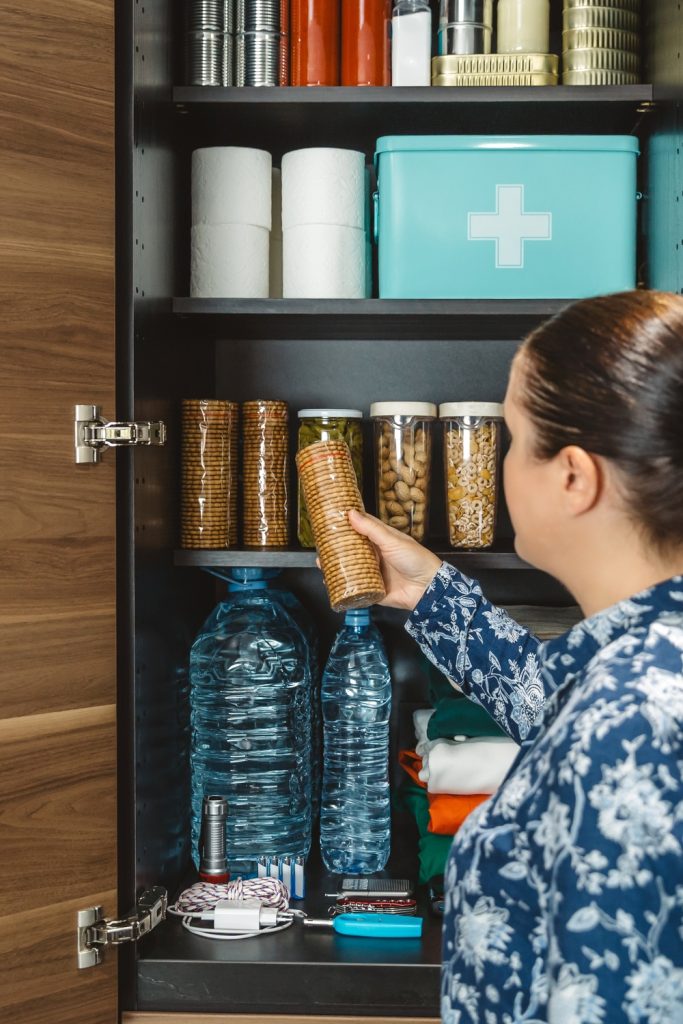
Start with canned goods that need no refrigeration or cooking, such as vegetables, fruits, soups, and proteins like tuna or chicken. These provide complete meals without electricity and stay fresh for years.
If you have access to basic cooking utensils, dry goods offer great value and nutrition. Rice, pasta, oats, and quinoa provide essential carbohydrates. Nuts, seeds, and dried fruits add healthy fats and energy-boosting sugars to meals or snacks.
Consider your family’s dietary needs and preferences. Factor in dietary restrictions, allergies, and the special requirements of infants or elderly family members.
Plan for at least three days of food per person but having a week’s supply stored offers even better security. Calculate one gallon of water per person per day, remembering some foods need water for preparation.
Storing Food Properly
Keep emergency food in a cool, dry place away from direct sunlight, such as basements or interior closets under 70°F. High heat and humidity can degrade canned goods faster.
Protect food from water damage by using waterproof containers or elevating items. Use airtight containers and check for pests to prevent contamination from mice and insects. When possible, choose products and food items with packaging that supports extended shelf life, such as sealed containers or colored glass and plastics that block sunlight.
Label items with purchase dates and rotate stock using the “first in, first out” method. Check and replace expired items regularly.
Managing Food During a Hurricane
During a hurricane event, eat perishables from your fridge first. A full freezer keeps food frozen for about 48 hours without power; a half-full one lasts about 24 hours. Keep your freezer and refrigerator doors closed to maintain cold temperatures.
Stretch your supplies by eating smaller, more frequent meals. Drink plenty of water to stay full and hydrated.
Practice safe food handling with these guidelines:
- Stock your kitchen or safe area with a food thermometer.
- When in doubt, throw it out.
- Never eat food left at room temperature for over two hours.
Stay Prepared and Nourished When Hurricanes Strike
Hurricane season food stocking and storage requires thoughtful planning and proper execution. Stock up on non-perishable foods that meet your family’s nutritional needs and dietary requirements. Store everything in cool, dry, pest-free locations with proper labeling and rotation.
Taking these proactive steps now protects your family’s health and reduces stress during actual storm events. Review and update your emergency food supplies at the beginning of each hurricane season to ensure everything stays fresh and ready when you need it most.