Is that extra 4% credit card surcharge just business—or something more? Locals are divided over restaurant credit card fees, and the conversation is only getting louder. As more restaurants implement these charges, some diners are drawing the line while others shrug and swipe. But one question remains: what does this mean for the future of dining out in small towns like ours?
The Debate Over Credit Card Fees at Restaurants—and Why Paying Cash Still Matters
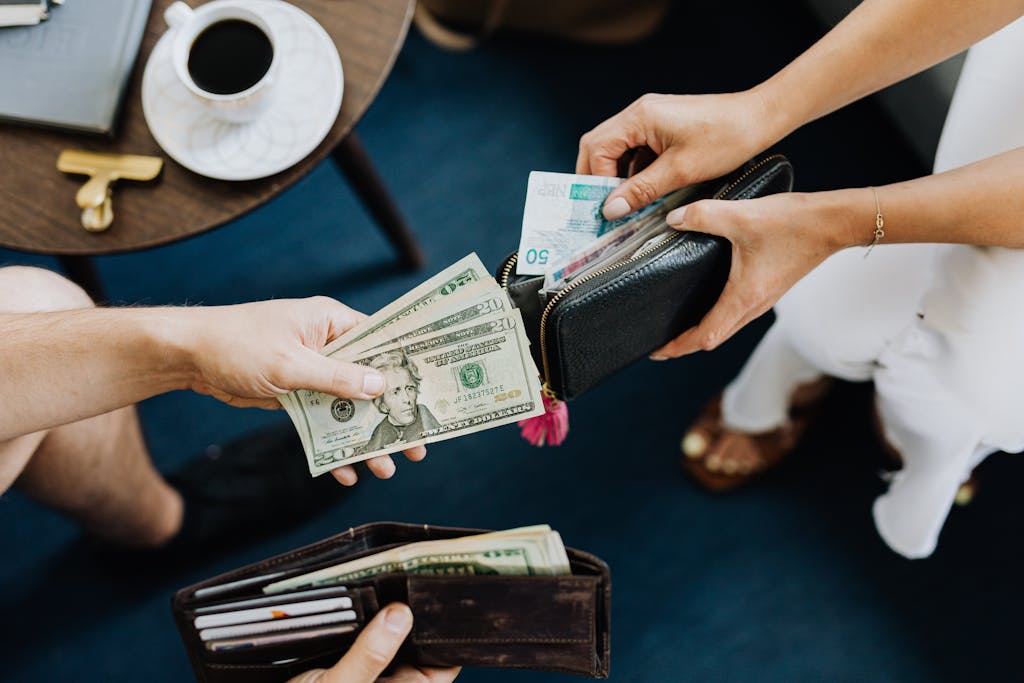
In Venice and many small towns like it, an unexpected line item on a restaurant receipt is sparking some passionate discussion—an extra 3–4% fee for using a credit card. For some diners, it’s an unwelcome surprise. For others, it’s simply the cost of convenience. But beneath the frustration lies a deeper issue about how we support our local economy—and what it means for both businesses and patrons.
We believe paying with cash has benefits that go beyond convenience. It keeps more money in the community, reduces the burden on local businesses, and offers a more transparent exchange. It may feel old-school, but sometimes old ways still work best when supporting local restaurants.
Why Are Restaurants Charging a Credit Card Fee?
Credit card processing isn’t free. For every swipe, tap, or chip dip, restaurants pay a percentage—often 2.5% to 4%—to processors. That’s before taxes, labor, rent, food costs, or the monthly fees for POS systems. Historically, restaurants absorbed these charges as part of their operating expenses. But as inflation, supply chain strain, and labor shortages squeeze margins, some owners have started passing those fees directly to customers—either as a separate credit card surcharge or by offering a cash discount.
Some patrons see this as transparent, even fair. As Robyn D. put it bluntly: “Why should the restaurant have to pay your credit card company for your convenience?” Others aren’t as forgiving. Frank C. added, “Just bury the fee in the menu items and don’t rub it in our faces.”
These restaurant fees may be a necessary adjustment in the current economic climate, especially for small, independent establishments like our restaurants in Venice, FL, where dining margins are already tight.
What’s the Legal and Ethical Landscape?
In Florida, credit card surcharges are legal as long as they’re disclosed before purchase. But transparency doesn’t always translate to goodwill. If customers feel blindsided or penalized, they may choose to take their wallets elsewhere. Some call it a necessary evil. Others call it price gouging, especially when food prices are already high.
Jennifer B. argued, “It’s a scam to get us to pay more. Then if you pay cash, they don’t report it. Either way they make more money.” But Jeff H. countered, “Tax deductible doesn’t mean the IRS refunds them for the fees—they still had to pay it.”
There’s also the gray area of what happens to that surcharge. Is it actually offsetting payment processing costs—or padding profit? And are servers losing tips because patrons bristle at a final total that feels inflated? Christine T. shared, “The servers usually have to pay that for you, by the way.”
Is Paying Cash a Moral Act?
Beyond the math, paying with cash has become an almost countercultural gesture—a quiet rebellion against corporate profit-sharing and a way to keep money flowing inside the local economy. When you pay in cash, 100% of the sale stays with the business, with no cut to banks or credit card processors. For small, independent restaurants operating on razor-thin margins, that 3–4% can be the difference between staying open another month or shutting their doors.
There’s also an undercurrent of trust. Cash tips go straight to servers, often untouched by payroll deductions. Cash transactions may reduce accounting fees and streamline operations. It’s no surprise that some businesses offer a 5–10% discount for cash payments—it’s not just a marketing trick; it’s a form of financial survival. As Ann H. noted, “Businesses need to find ways to stay solvent and still provide good product and service to us.”
By choosing to pay with cash, patrons are effectively engaging in local business support and embracing credit card alternatives that empower small operators.
But Let’s Be Honest…
Most people don’t carry cash anymore. Debit and credit cards offer convenience, fraud protection, and—let’s not kid ourselves—rewards points. Tracy S. argued, “You’re way ahead taking cards and accommodating customers who don’t carry cash. No one carries cash anymore.”
Some locals argue that if a restaurant isn’t willing to eat the cost of doing business in a cashless society, maybe they’re not ready for business at all. “Literally, it’s the cost of doing business,” Steve S. said.
Then again, as small business owner Jen B. shared, “By the end of the year, I pay nearly two months of my pay so people can use credit & debit.” That’s not insignificant for small business operations already burdened with rising expenses.
So What’s the Fix?
Transparency is key. If a restaurant clearly communicates its surcharge policy—on the menu, on the door, at the register—patrons can make informed choices. Some will pay the fee without blinking. Others will carry cash. And a few might walk out.
What’s clear is this: local restaurants are adapting. Some with fee notices, others with cash discount strategies, and a few by simply raising prices quietly across the board. But how we as customers respond will shape what survives—and what doesn’t—in our local dining economy.
If supporting local matters, maybe that means choosing green paper over plastic once in a while. Maybe it means tipping in cash even when you pay by card. Or maybe it means understanding that credit card transparency and convenience, like everything else, has a cost.
Frequently Asked Questions
Q: Do credit card fees affect tipping at restaurants?
A: Yes, in some cases servers are responsible for absorbing part of the credit card processing fees, which can reduce their take-home tips. Tipping in cash ensures that servers receive the full amount without deductions.
Q: Are there restaurants in Venice that don’t charge credit card fees?
A: Yes, some restaurants choose to absorb the fees themselves or incorporate the cost into menu pricing. Look for notices on the menu or ask your server before ordering.
Q: How can I support local restaurants besides paying in cash?
A: Supporting local means dining at independent restaurants regularly, leaving positive reviews, tipping generously (especially in cash), purchasing gift cards, or simply spreading the word to friends and neighbors.
Q: Why do some businesses only accept cash now?
A: To avoid high processing fees, chargeback risks, and to maintain simpler bookkeeping. Cash transactions often help businesses remain solvent—especially during times of economic uncertainty.
Q: What’s the best way to stay informed on local dining trends in Venice?
A: Follow Venice Foodies for up-to-date news, guides, and insights into the local food scene. Subscribe to our newsletter or follow us on social media for the latest updates.
Q: Is it legal for Florida restaurants to charge a credit card fee?
A: Yes, Florida allows credit card surcharges if the fee is disclosed before the transaction.
Q: Why do some restaurants offer a discount for paying with cash?
A: It helps them avoid credit card processing fees, which can deeply cut small businesses’ profits.
Supporting Venice Foodies
Running Venice Foodies takes time, resources, and no small amount of heart. From website hosting and maintenance to research, photography, writing, and community engagement—there are real labor and financial costs behind every piece of content published. These expenses are partially offset through local advertising partnerships, sponsored promotions, and branded merchandise sales. We also welcome voluntary community support, which helps keep our coverage local, independent, and thriving. If you’ve found value in this article or others, consider supporting Venice Foodies in any way that feels right—because community journalism, like small restaurants, survives when the locals show up.
It’s not required. It’s not expected. But it does make a meaningful impact —
and helps us keep doing what we love, for the community we love.